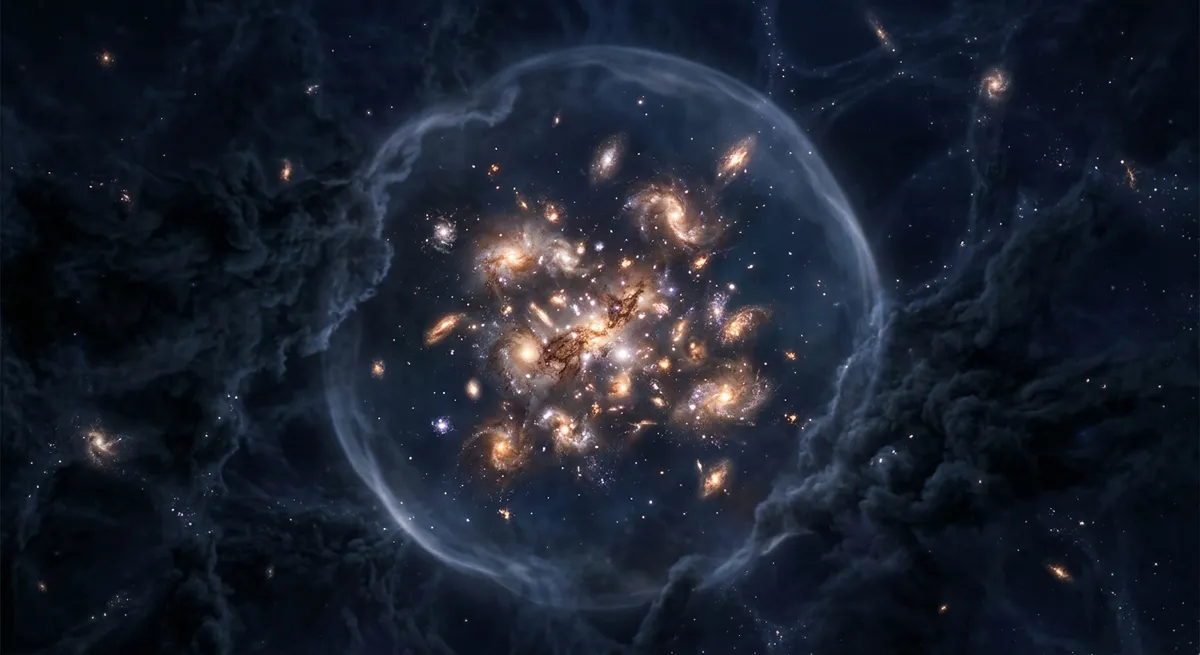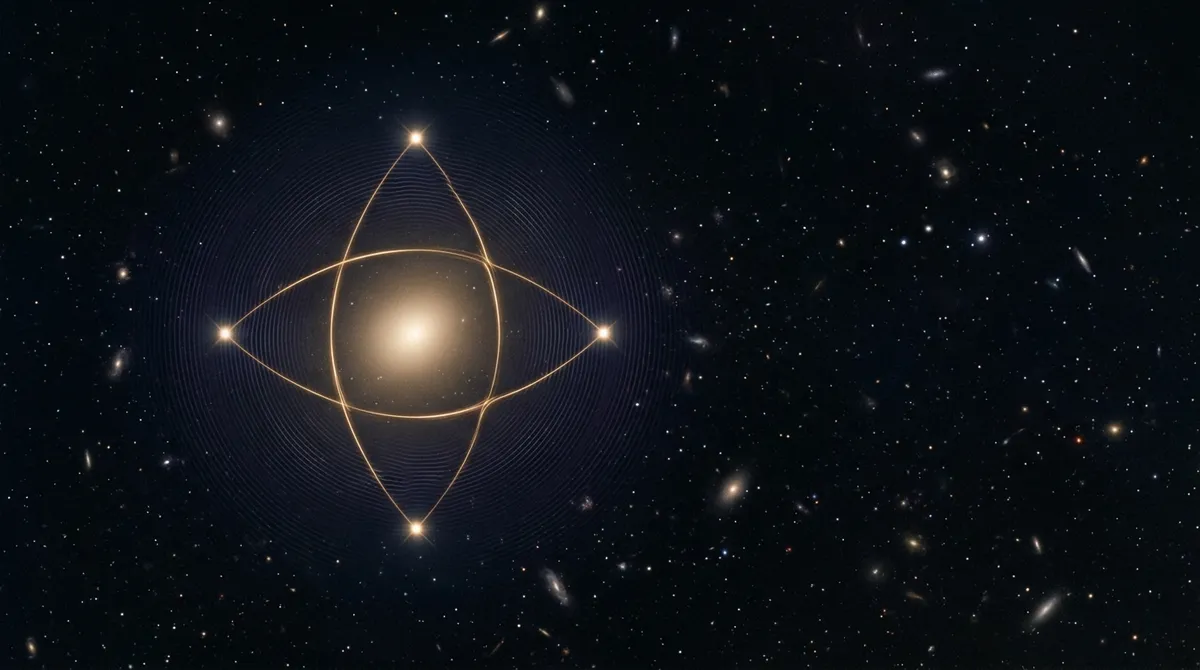
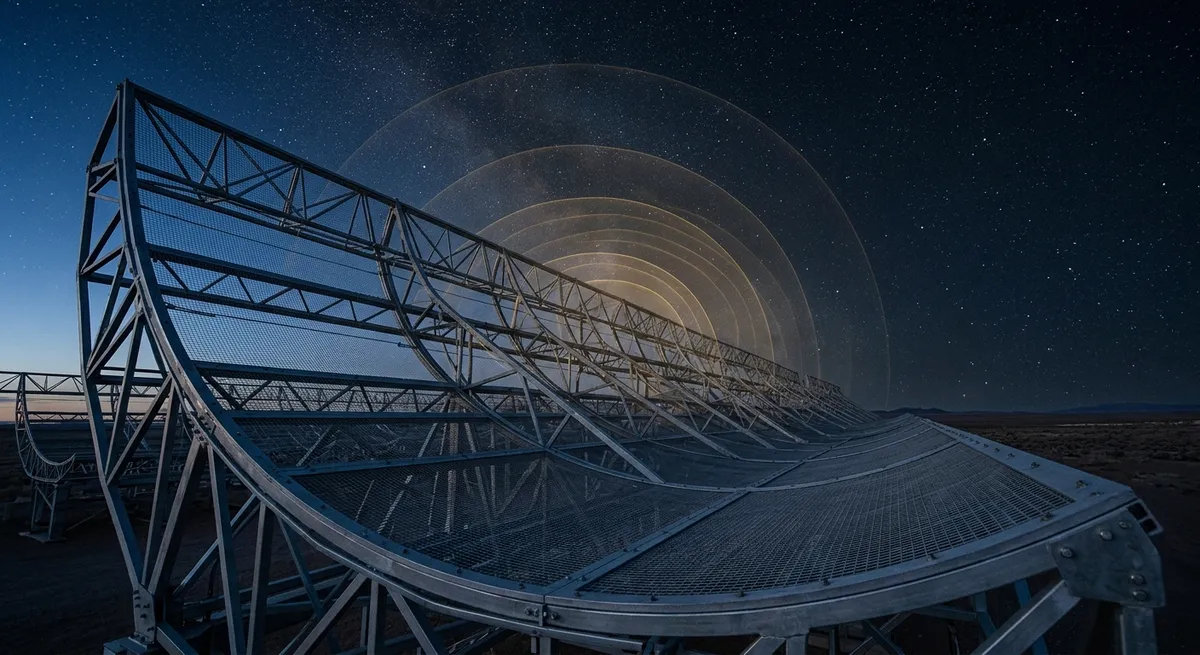
The Canadian Hydrogen Intensity Mapping Experiment (CHIME) has made significant strides in cosmology by independently detecting the faint radio glow of ancient hydrogen. This breakthrough opens up a new technique for mapping matter across the universe and probing dark energy, a major unsolved mystery in physics.
CHIME's Revolutionary Detection
CHIME, which has been operational for nearly seven years, successfully identified the faint radio signals emanating from hydrogen gas that dates back to the early universe. This detection proves that hydrogen intensity mapping can be used to study cosmic expansion not just at a larger scale, but also at a lower cost than traditional galaxy surveys.
The Importance of Mapping Dark Energy
Why is this important? Dark energy is one of the biggest challenges in understanding our universe. It is believed to be responsible for the accelerated expansion of the universe, but its nature remains elusive. By using CHIME's innovative technique, scientists can probe deeper into the cosmos, allowing for potentially new insights into the fundamental forces shaping our universe.
Low-Cost Astronomy with Big Impacts
One of the standout aspects of CHIME's discoveries is how it highlights the potential for low-cost astronomy. Traditional methods of mapping galaxies often require expensive telescopes and complex technologies. In contrast, CHIME's method leverages the natural glow of hydrogen, a resource that is abundant throughout the universe. This shift towards more affordable techniques could enable many more research projects to investigate the universe's evolution, democratizing access to high-quality astronomical data.
An Independent Check on Cosmological Theories
As scientists in cosmology strive to verify competing theories of how the universe evolves, CHIME's findings can serve as an independent test. The ability to gather nearly seven years of data allows researchers to examine the state of the universe when it was about 5 billion years old, presenting a crucial period in cosmic history.
A Year of Proving the Signal's Authenticity
Before scientists could celebrate this major milestone, they spent a considerable amount of time—about a year—validating that the detected signal was indeed real. This diligence ensures that the astronomical community can trust the data produced by CHIME, moving forward in the exploration of the universe with a reliable new tool.
Conclusion
Hydrogen’s distant glow may seem faint, but its implications are profound. With CHIME paving the way toward a deeper understanding of dark energy and the evolution of the universe, we stand on the precipice of groundbreaking discoveries that could reshape our understanding of the cosmos. As the research continues, the potential for new insights into dark energy is brighter than ever.