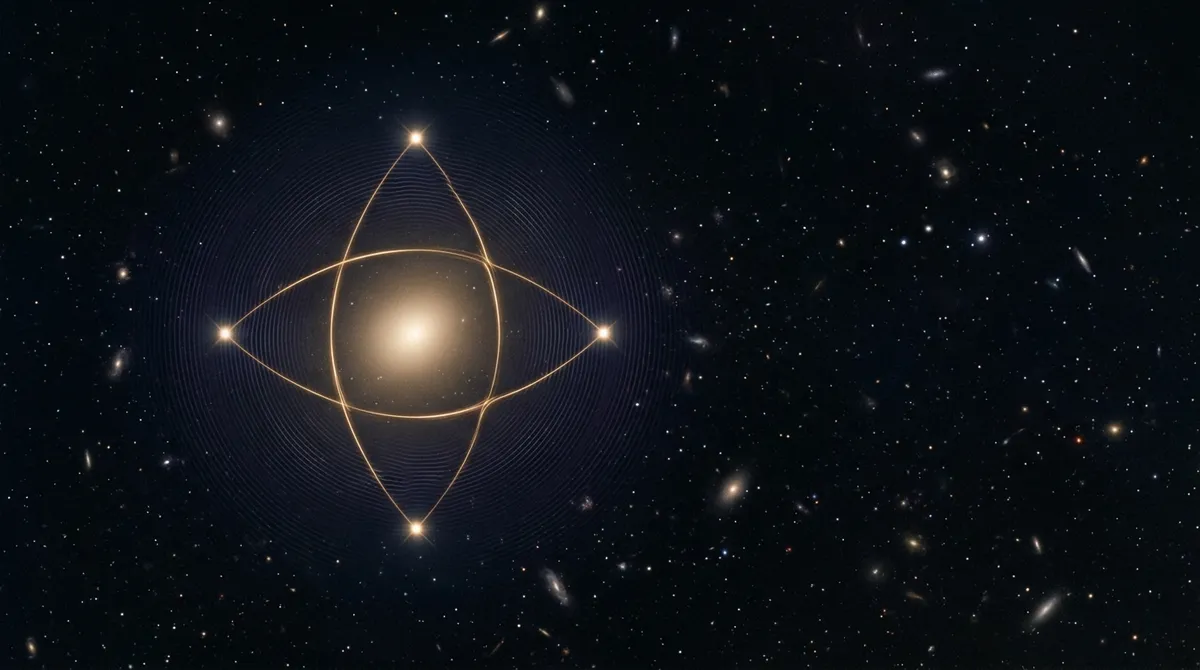
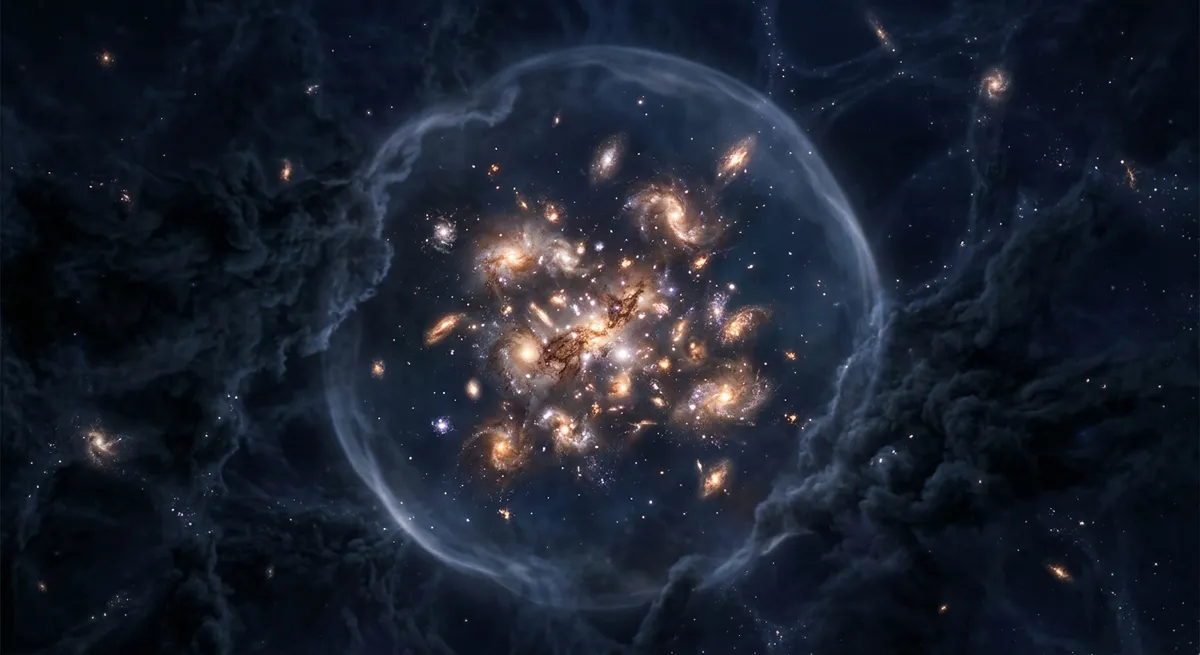
Recent findings from the James Webb Space Telescope (JWST) are shedding light on a pivotal moment in cosmic history, shortly after the Big Bang. Data from the JADES survey has identified a dense group of 18 early galaxies that emerged about 500 million years post-Big Bang. These galaxies are believed to be carving out a bubble of ionized hydrogen, potentially marking the early stages of a significant cosmological transformation: cosmic reionization.
What is Cosmic Reionization?
Cosmic reionization refers to the epoch when the universe transitioned from being opaque to transparent. Before this period, light from the first stars and galaxies was absorbed by neutral hydrogen, leaving the universe shrouded in darkness. As these early galaxies began to form, they emitted energy that gradually ionized surrounding hydrogen gas, leading to the universe becoming more transparent to light. This moment was crucial for the visibility of the cosmos as we understand it today.
The Role of Dense Galaxies
The newly discovered galaxies from the JADES survey may play a crucial role in this process. The dense clustering of these galaxies could generate significant radiation that could help ionize hydrogen around them. This radiation effectively produces a 'bubble'; as it expands, it allows light to escape into the cosmos. This phenomenon suggests that these early galaxies were not just isolated entities but pivotal contributors to the universe's evolution.
The Implications of Ionized Bubbles
If validated, these early ionized bubbles could represent the earliest evidence of how galaxies contributed to the reionization of the universe. This discovery could fundamentally alter our understanding of galaxy formation and the timeline of cosmic history. It emphasizes the idea that the first galaxies were instrumental in turning on the lights of the universe, fostering conditions that made it possible for future generations of stars and galaxies to take shape.
Continuous Surprises from JWST
The JWST has consistently provided groundbreaking insights into the early universe, challenging long-held beliefs about galaxy formation. With each discovery, including this potential ionized bubble, astronomers gain valuable data that could lead to a deeper understanding of fundamental cosmic processes. The telescope is rewriting the narratives surrounding when and how the first galaxies formed and the impact they had on the surrounding environment.
Conclusion
The findings from JWST present a promising glimpse into the mechanics of cosmic reionization and the role that early galaxies played in illuminating the universe. As you follow the excitement of new discoveries, consider how these dense cosmic structures may have shaped not only the galaxy landscape but the cosmic history itself. With ongoing research and observations from the JWST, our understanding of these ancient celestial bodies will continue to evolve, offering more insights into our universe's intriguing beginnings.