Health Science

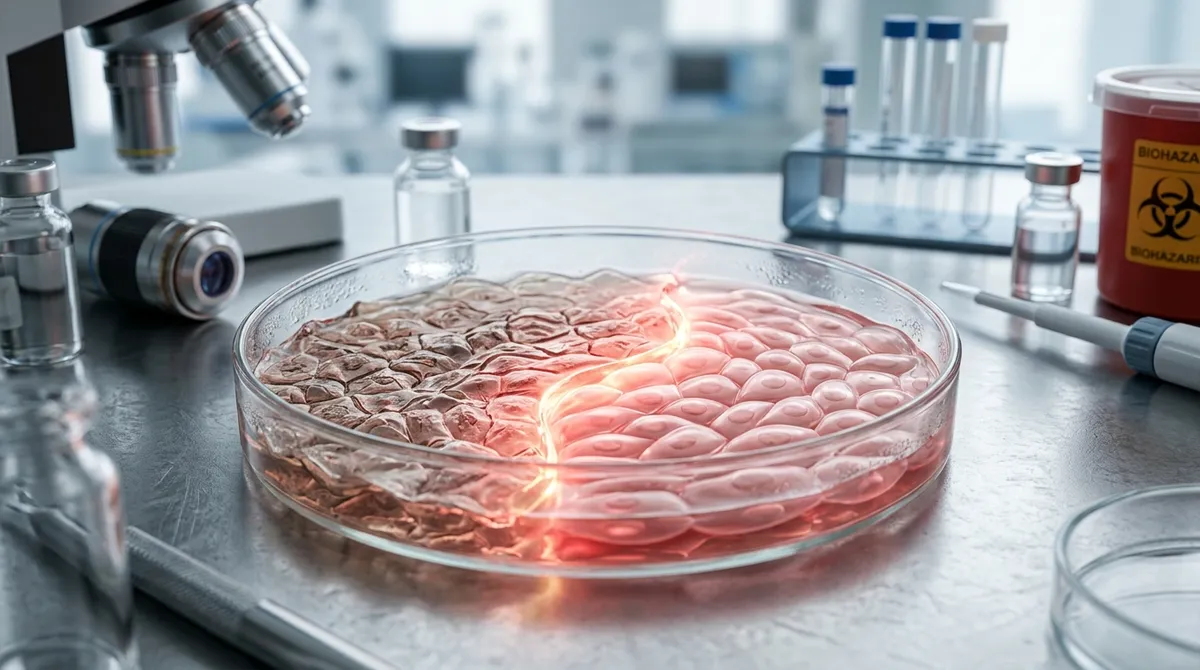
Young Blood Found to Reverse Aging in Human Skin Cells

Scientists have discovered that specific factors in young blood can rejuvenate older skin cells, offering insights into anti-aging treatments. This breakthrough could lead to new therapies in regenerative medicine and cosmetics, aimed at reversing or slowing the aging process.

Study Reveals Common Viruses Activate Dormant Breast Cancer Cells

Recent research reveals a link between common viral infections and the reactivation of dormant breast cancer cells, suggesting that viruses may trigger cancer recurrence. This highlights the importance of further investigation into virus-cancer interactions for better prevention strategies.

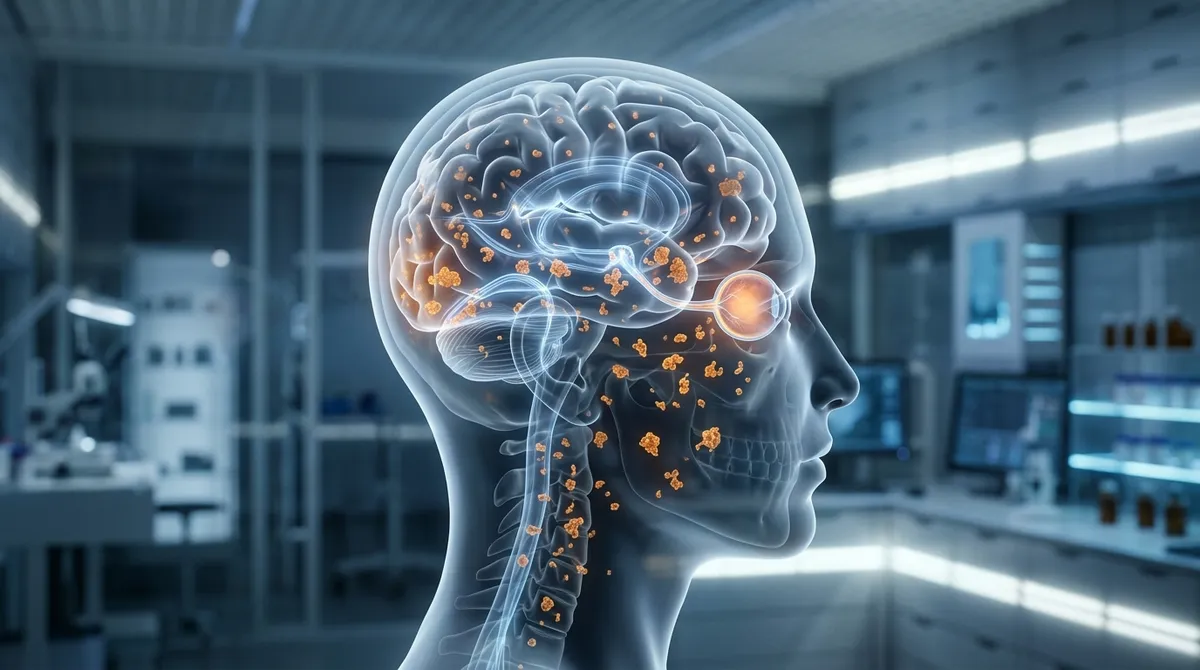
COVID Connection to Alzheimer’s-Like Plaques in Eyes and Brain

Recent studies suggest COVID-19 infections may lead to neurological complications similar to Alzheimer's disease, with researchers investigating how the virus contributes to harmful plaque formation in the brain and eyes, with potential implications for long-term cognitive health.

Chronic Back Pain Treatment Linked to Increased Dementia Risk

Chronic lower back pain affects millions globally, and recent research suggests a link between its treatments and an increased risk of dementia, emphasizing the need for understanding long-term effects and exploring alternative pain management strategies to enhance patients' well-being.

4 Diets Proven to Cut Dementia Risk by 28%

Recent research shows that specific dietary patterns can reduce dementia risk by up to 28%. Emphasizing fruits, vegetables, whole grains, and healthy fats while minimizing processed foods supports long-term brain health and cognitive function.

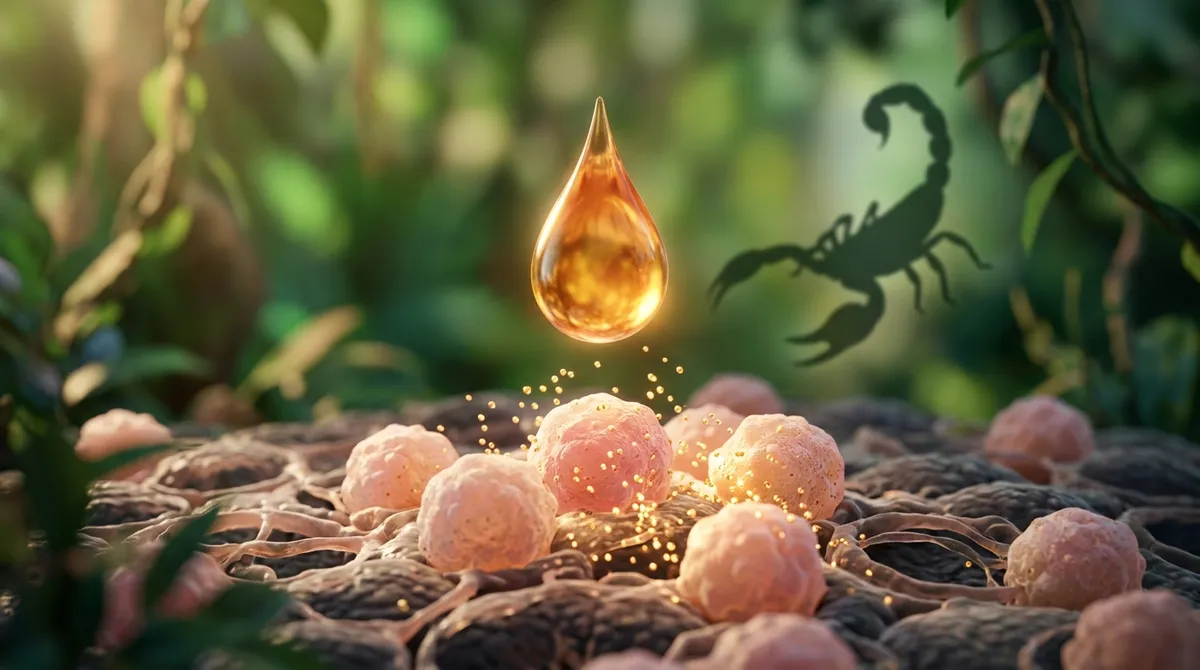
Amazonian Scorpion Venom Destroys Breast Cancer Cells

Scientists have discovered that compounds in Amazonian scorpion venom can target and destroy breast cancer cells, providing a promising new approach to cancer treatment. This breakthrough offers hope for more effective and less harmful therapies.

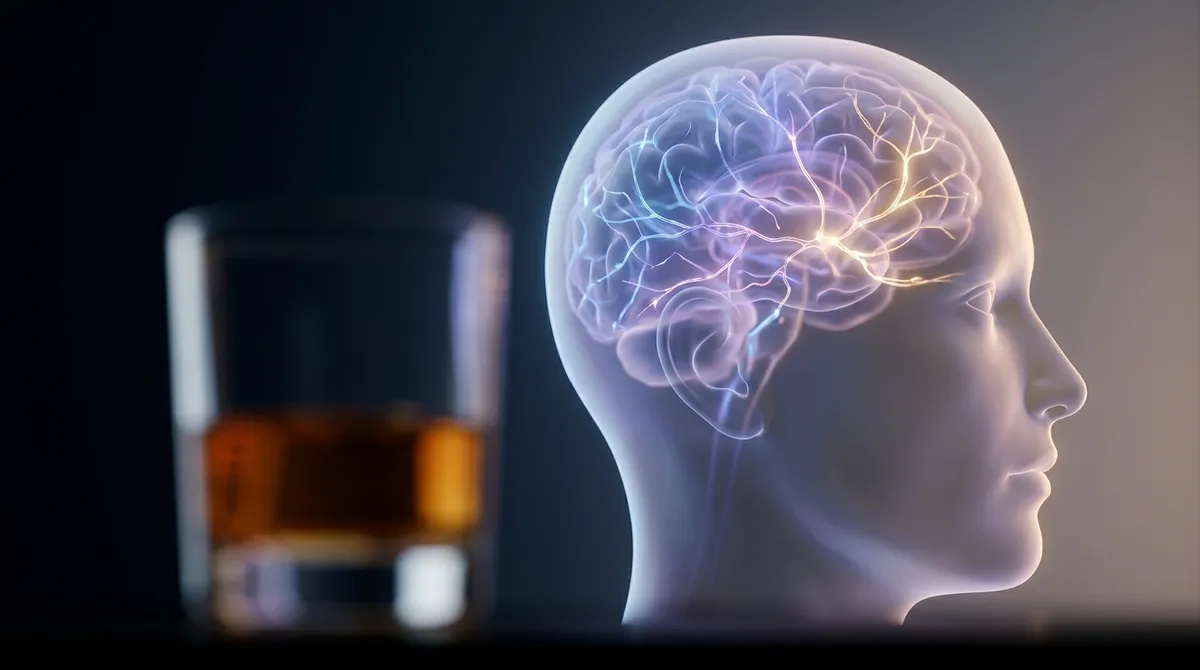
Psychedelics May Transform Brain to Lower Alcohol Intake

Recent research highlights the potential of psychedelics in treating alcohol use disorder by altering brain pathways. These substances may reduce alcohol consumption by enhancing neuroplasticity, offering an alternative to traditional treatments and supporting long-term recovery through profound psychological experiences.

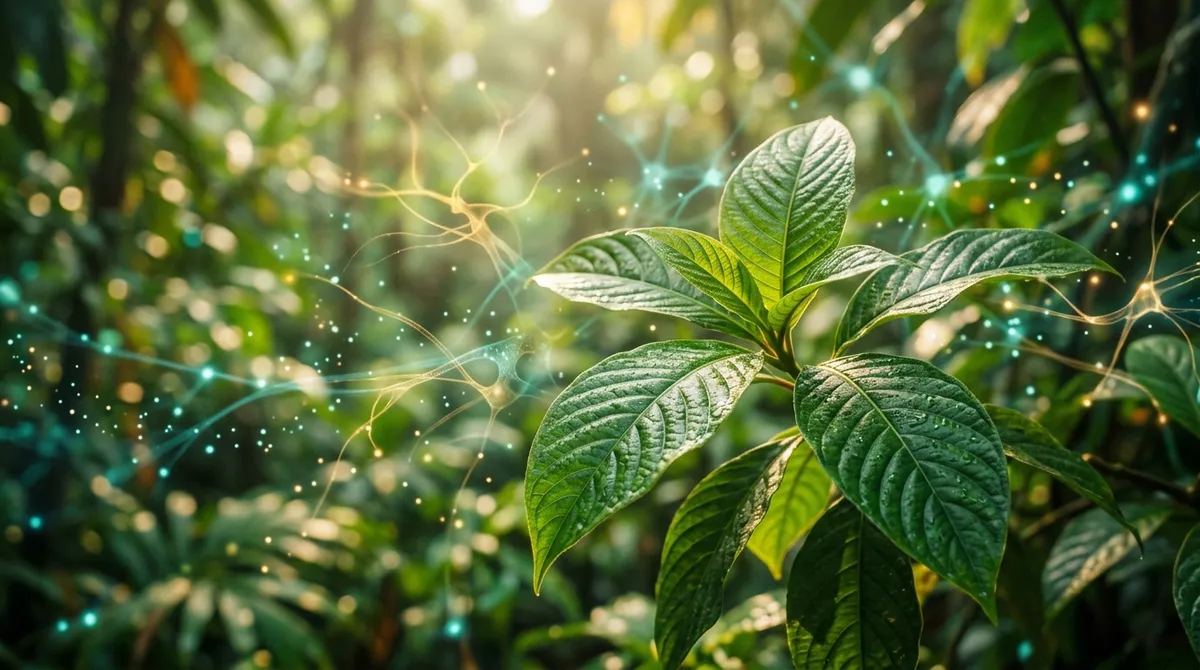
Brazilian Psychedelic Plant: New Hope for Depression Treatment

Exploration of natural substances for mental health support has highlighted a Brazilian psychedelic plant as a promising candidate for depression treatment. Psychotria viridis, containing DMT, offers a novel approach with rapid effects, complementing traditional therapies and promoting psychological insights.