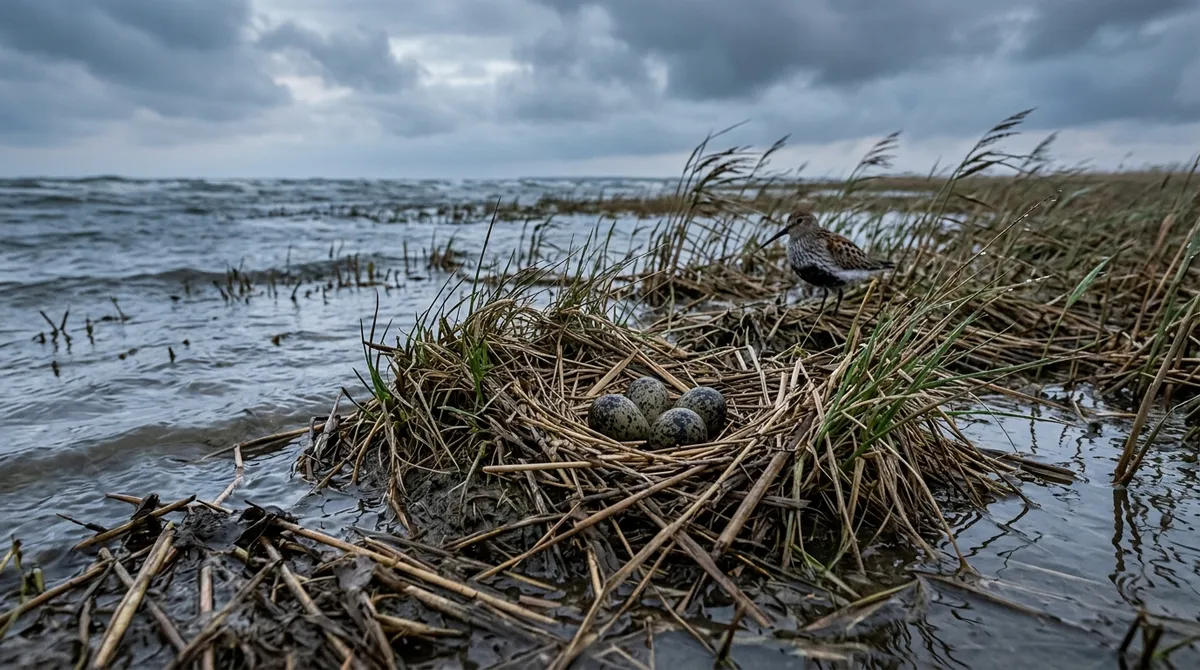
Rising Sea Levels Threaten Baltic Bird Nests at Critical 40cm Mark
Finnish researchers identify tipping point where storm floods devastate wader bird nests, testing artificial incubation as emergency conservation measure.

Finnish researchers identify tipping point where storm floods devastate wader bird nests, testing artificial incubation as emergency conservation measure.
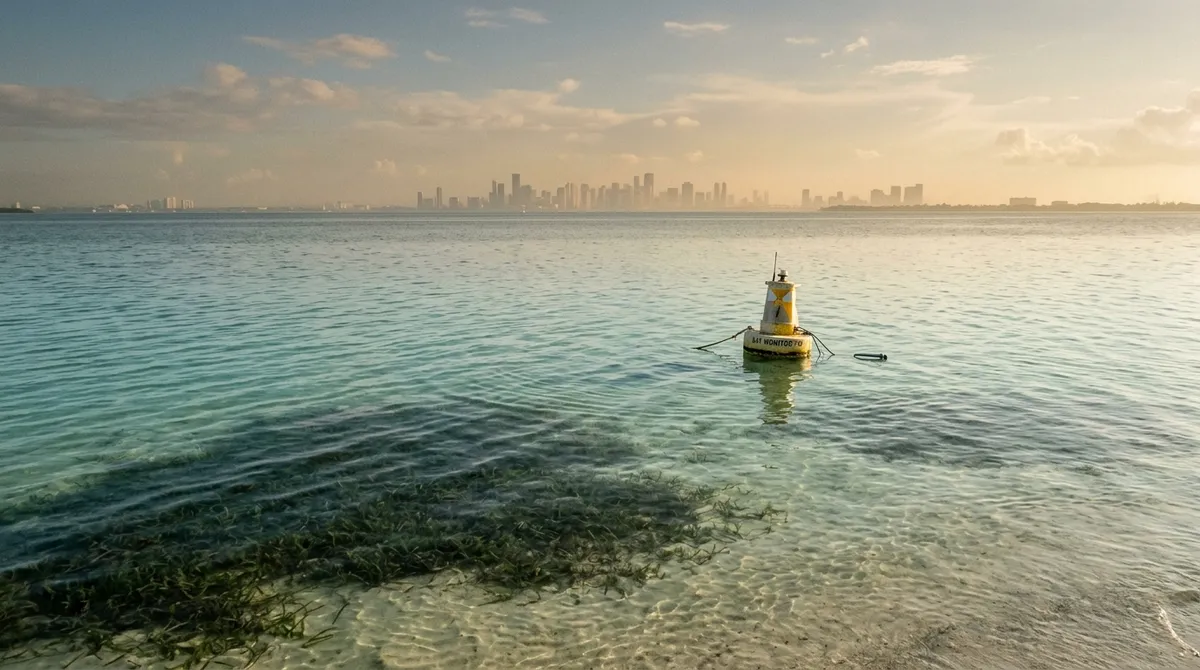
Twenty years of data reveal climate change is making Biscayne Bay warmer, saltier and more acidic, threatening South Florida's ecosystems and fisheries.
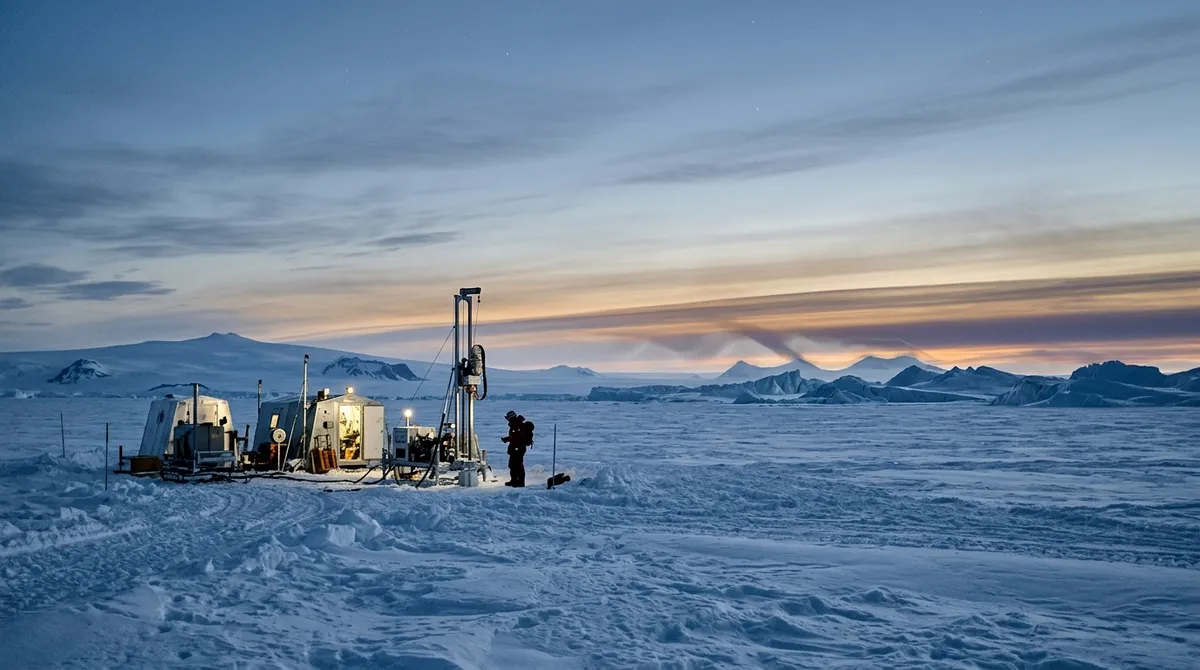
New research reveals that Antarctica's regional temperature changes are governed by the nonlinear greenhouse effect rather than traditional climate models...
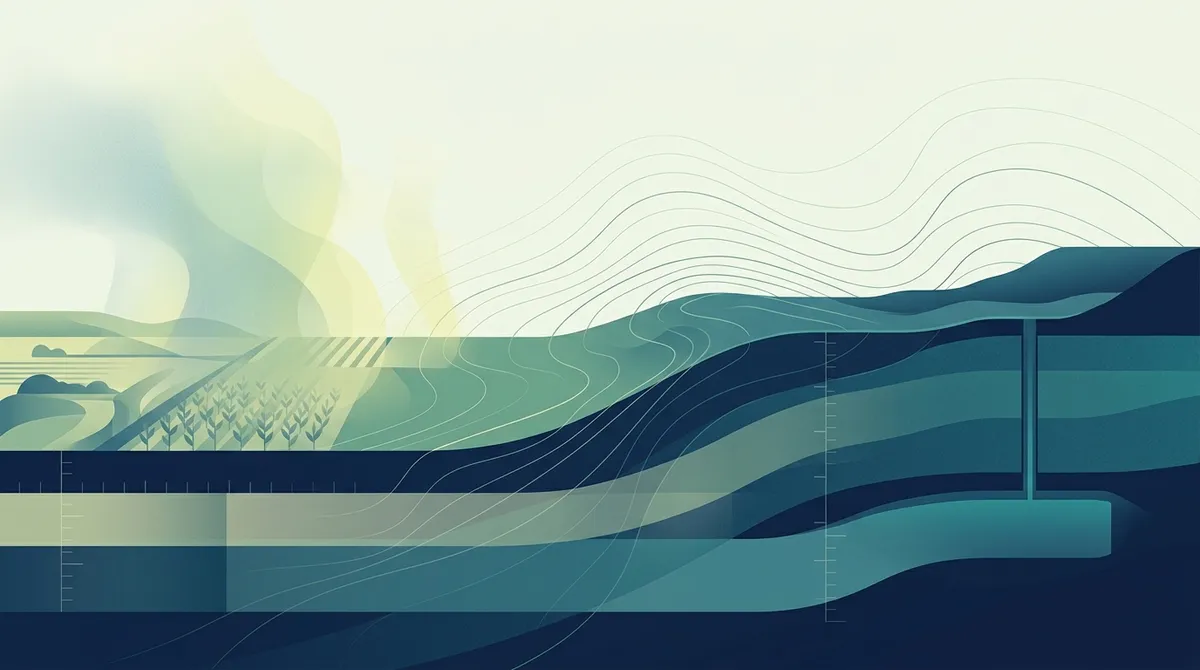
New Nature study shows temporary carbon removal can effectively offset methane emissions but shouldn't replace permanent solutions for CO2, offering fresh...
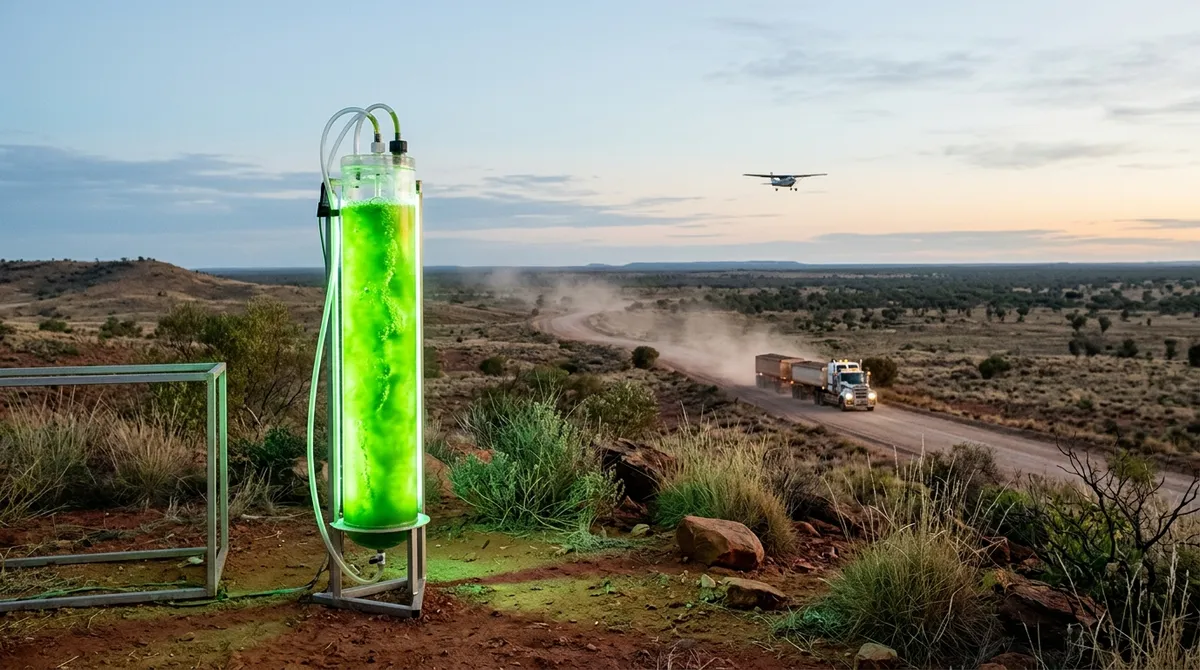
As Australia grapples with fuel security concerns and climate targets, algae-based biofuels emerge as a potential solution for cleaner diesel and sustainable...

Recent research highlights the impact of "forever chemicals" (PFAS) on aging in men, linking higher exposure levels to accelerated biological aging and prompting significant public health concerns.
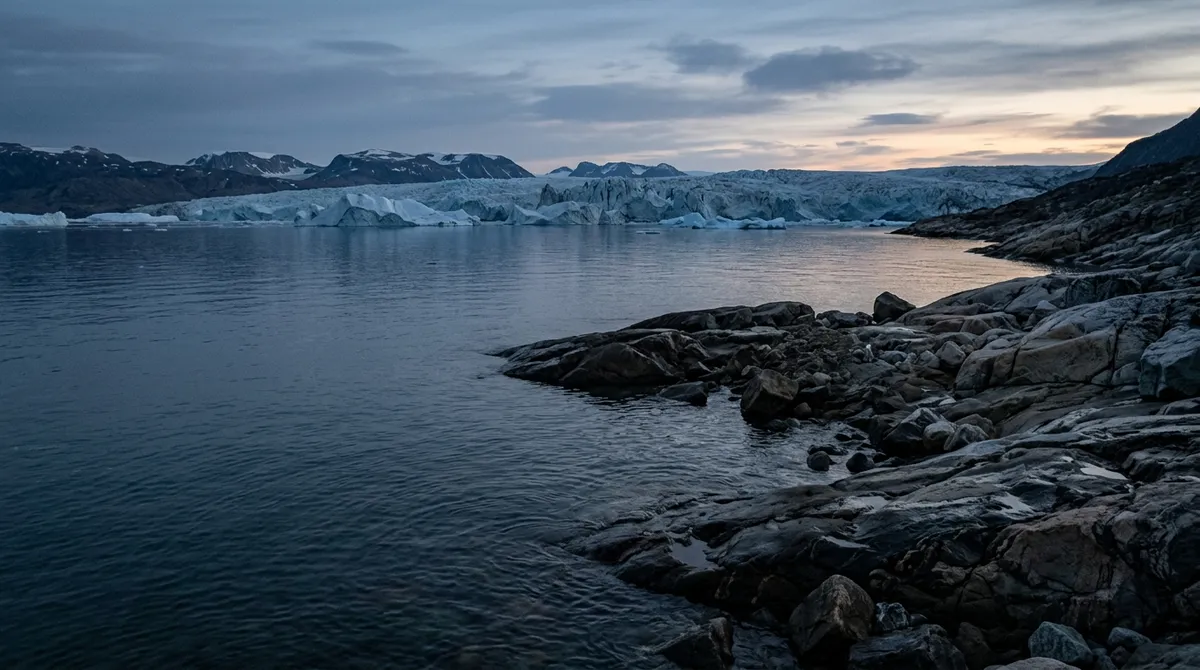
Sea level changes, driven by climate change, are generally rising globally. However, around Greenland, sea levels might fall due to the melting ice sheet altering gravitational pull, causing complex regional variations necessitating localized studies for effective adaptation strategies.
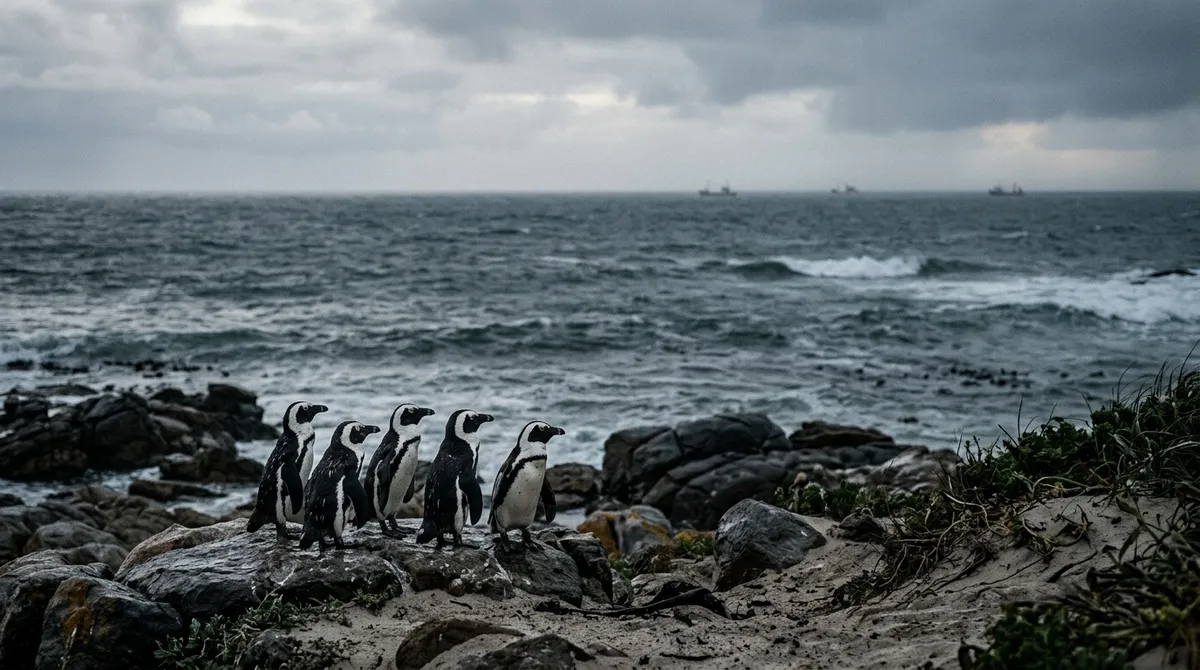
Penguin populations in South Africa are declining due to starvation, primarily caused by shifts in prey availability and climate change. Conservation efforts focus on habitat protection and sustainable fishing, but challenges remain due to complex marine ecosystems and global climate issues.
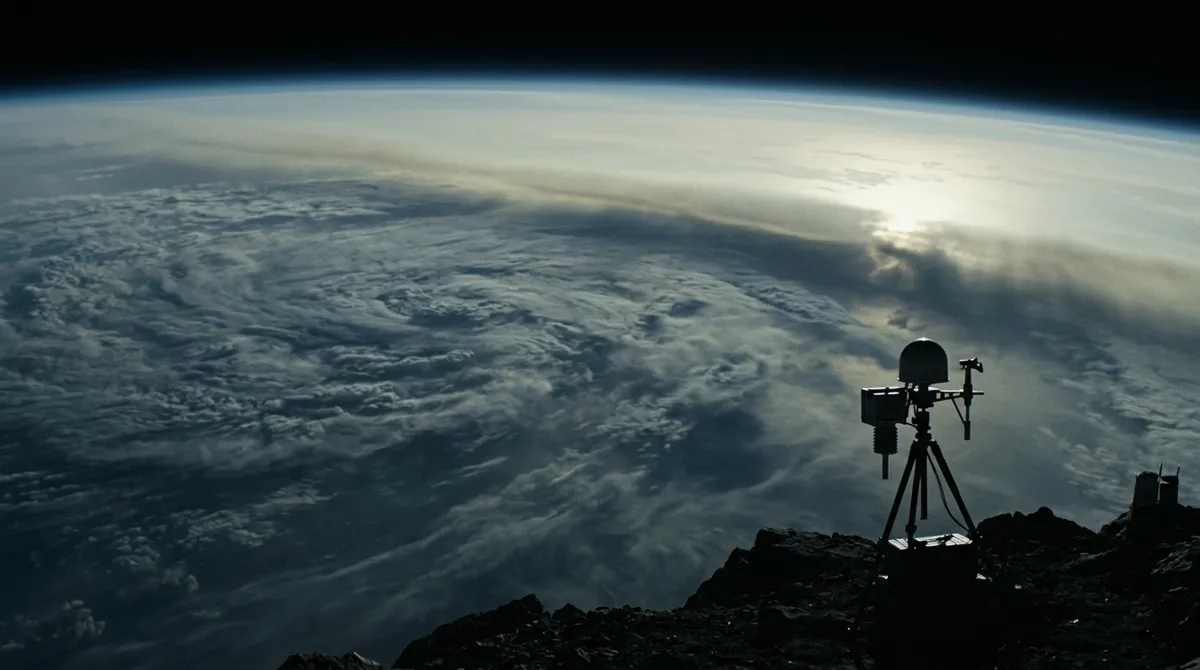
Solar geoengineering, aimed at cooling the Earth by reflecting sunlight, faces criticism over safety and feasibility. Concerns include potential disruption of ecosystems, weather patterns, and the lack of a regulatory framework, prompting scientists to advocate for alternative climate solutions.

Recent studies reveal that everyday food packaging releases microplastics into meals, posing environmental and health risks. These tiny particles, often invisible, can enter our bodies through food, potentially causing inflammation and disrupting hormones.
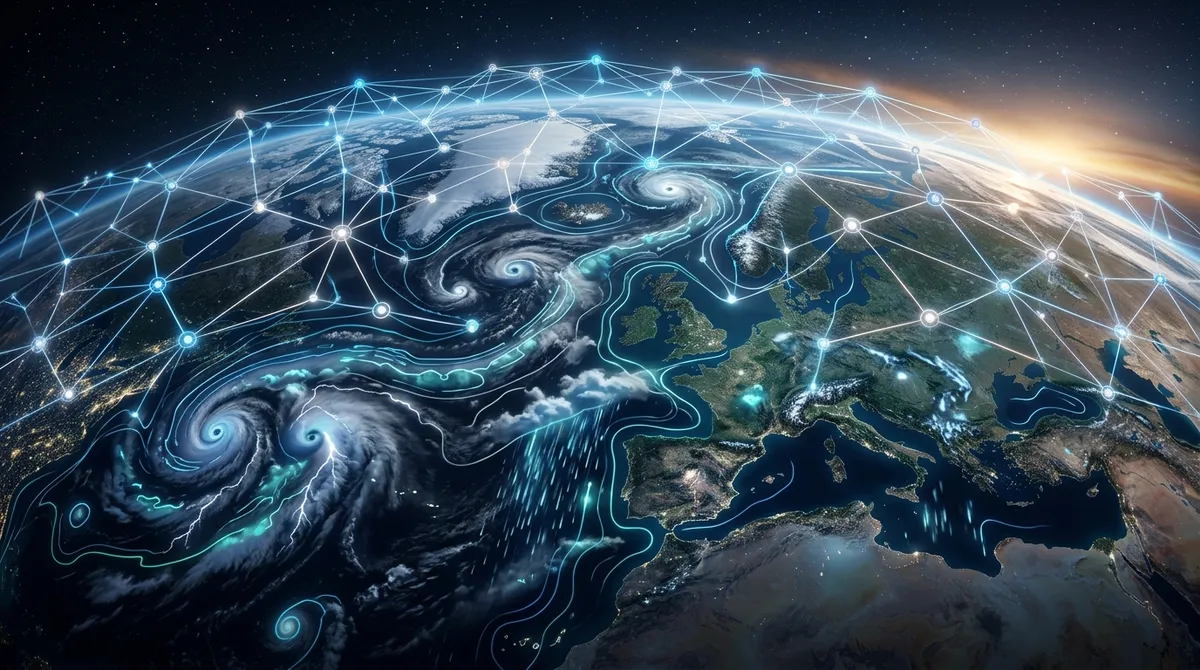
A groundbreaking AI tool is enhancing weather forecast accuracy, outperforming traditional methods. By leveraging deep learning and vast datasets, it predicts weather events more precisely, offering timely warnings for extreme conditions and benefiting sectors like agriculture and aviation.
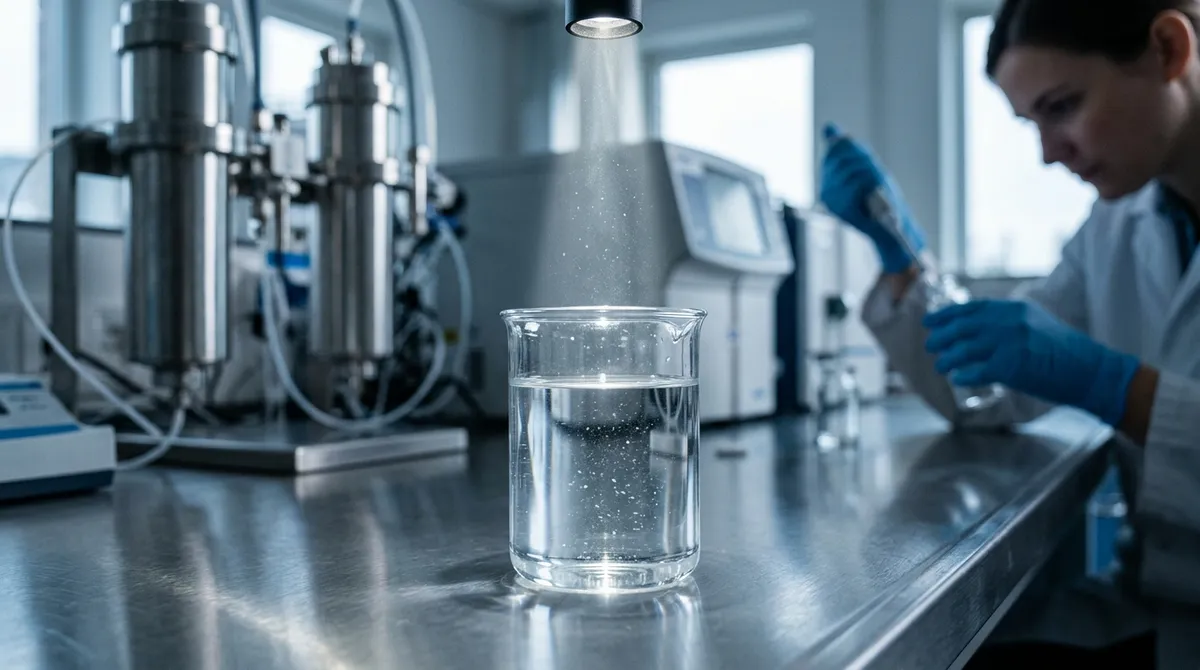
The persistence of microplastics in drinking water, despite advanced treatment processes, raises environmental and health concerns. These tiny particles infiltrate water supplies, posing potential health risks and challenging the effectiveness of existing water treatment methods.